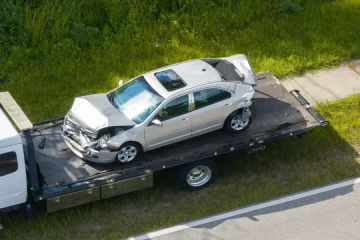
Operating While Intoxicated: What an OWI Charge Really Means

Understanding legal terms can often feel overwhelming, especially when they relate to criminal offenses. One such term that frequently causes confusion is “OWI.” If you have come across this phrase and are unsure what it means, this article will explain it in clear, simple language. By the end, you will have a solid grasp of what an OWI charge is, how it works, and what it may involve.
What Does OWI Mean?
OWI stands for Operating While Intoxicated. It is a legal term used in several U.S. states to describe the offense of operating a motor vehicle while under the influence of alcohol or drugs. While many people are more familiar with terms like DUI (Driving Under the Influence) or DWI (Driving While Intoxicated), OWI generally refers to the same type of offense, though terminology varies by state.
In simple terms, an OWI charge means that a person is accused of driving or operating a vehicle while their ability to do so safely is impaired by substances such as alcohol, prescription medication, or illegal drugs. Find out how an OWI charge works.
How an OWI Charge Is Determined
Blood Alcohol Concentration (BAC)
One of the primary ways law enforcement determines intoxication is through measuring Blood Alcohol Concentration (BAC). This refers to the amount of alcohol present in a person’s bloodstream.
In most states, a BAC of 0.08% or higher is considered legally intoxicated for drivers aged 21 and over. However, even a lower BAC can still lead to an OWI charge if the driver shows signs of impairment.
Field Sobriety and Chemical Tests
Police officers may use several methods to assess whether a driver is impaired:
- Field sobriety tests: These include physical and mental exercises, such as walking in a straight line or following an object with the eyes.
- Breathalyzer tests: These estimate BAC through a breath sample.
- Blood or urine tests: These provide more precise measurements and may detect drugs as well as alcohol.
Failure or refusal to take these tests can also have legal consequences, depending on state laws.
What Counts as “Operating” a Vehicle?
A common misconception is that a person must be actively driving to face an OWI charge. In many jurisdictions, simply being in control of a vehicle while intoxicated can qualify as “operating.”
For example, a person sitting in the driver’s seat with the engine running-or even just having access to the keys-may still be considered in control of the vehicle. This broader definition aims to prevent potential danger before it occurs.
Differences Between OWI, DUI, and DWI
Although these terms are often used interchangeably, there can be subtle differences:
- OWI (Operating While Intoxicated): Focuses on operating a vehicle under impairment.
- DUI (Driving Under the Influence): Common term used in many states, often emphasizing the act of driving.
- DWI (Driving While Intoxicated or Impaired): May indicate a higher level of intoxication in some states.
The exact definitions and penalties vary by jurisdiction, so it is important to understand the specific laws in your area. For a general overview of impaired driving laws, resources like the National Highway Traffic Safety Administration (NHTSA) provide helpful information.
Potential Consequences of an OWI Charge
An OWI charge can lead to a range of legal consequences, depending on factors such as the driver’s BAC level, prior offenses, and whether any harm was caused.
Common Penalties
- Fines: Monetary penalties that may increase with repeat offenses.
- License suspension or revocation: Temporary or permanent loss of driving privileges.
- Jail time: In more serious cases, especially for repeat offenders.
- Probation: Court-supervised period with specific conditions to follow.
Additional Impacts
Beyond legal penalties, an OWI charge may also affect other areas of life:
- Increased insurance costs
- Employment challenges
- Permanent criminal record in some cases
Understanding these consequences highlights the seriousness of impaired driving offenses.
The Legal Process After an OWI Arrest
Arrest and Charges
If a police officer determines there is sufficient evidence of impairment, the driver may be arrested and formally charged with OWI. The individual will then enter the legal system, which may involve court appearances and legal representation.
Court Proceedings
The case typically proceeds through several stages:
- Initial hearing or arraignment: The charges are presented, and the defendant enters a plea.
- Pre-trial process: Evidence is reviewed, and legal arguments may be made.
- Trial or resolution: The case may go to trial or be resolved through a plea agreement.
Because the legal process can be complex, many individuals seek legal advice to better understand their rights and options.
Defenses and Legal Considerations
While an OWI charge is serious, there may be defenses depending on the circumstances. For example:
- Questioning the accuracy of BAC testing equipment
- Arguing improper police procedures during the stop or arrest
- Challenging whether the driver was actually operating the vehicle
Each case is unique, and outcomes can vary widely based on the facts and applicable laws.
Preventing OWI Offenses
Education and awareness play an important role in preventing impaired driving. Some practical steps include:
- Planning alternative transportation, such as a designated driver or ride-sharing service
- Avoiding driving after consuming alcohol or drugs
- Understanding how medications may affect driving ability
Public awareness campaigns and stricter enforcement have contributed to reducing impaired driving incidents over time, but it remains an ongoing concern.
Conclusion
An OWI charge, or Operating While Intoxicated, refers to the act of operating a vehicle while impaired by alcohol or drugs. Although similar to DUI and DWI, the exact terminology and legal definitions vary by state. The determination of impairment often involves BAC measurements and sobriety tests, and the consequences can range from fines to license suspension and even jail time.




-
12 Photos to Take at an Accident Scene (and Why Each One Matters), From Bay ...
Photos taken in the first few minutes after a crash often settle ... -
-
-
-