12 Photos to Take at an Accident Scene (and Why Each One Matters), From Bay Area Injury Law Firm APC
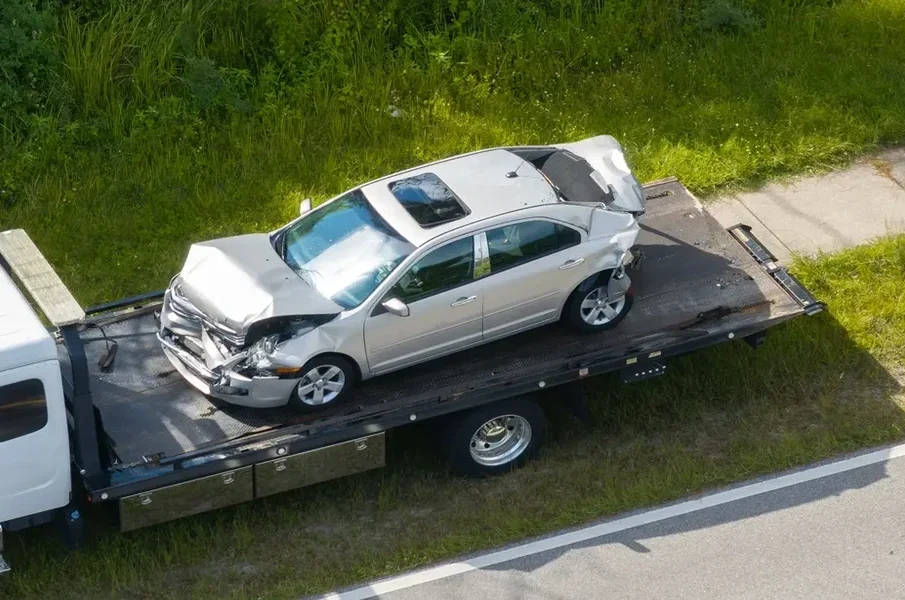
Photos taken in the first few minutes after a crash often settle arguments that come up weeks later. Skid marks fade, cars get towed, and memories shift. Bay Area Injury Law Firm APC put together the twelve shots worth taking, and why each one matters to an insurance claim. Before you take any of them, check for injuries and get out of traffic. No photo is worth stepping into a live lane.
Which photos should you take after a car accident?
1. Why start with a wide shot of the whole scene?
A wide shot shows how the vehicles ended up relative to each other and to the road. Take it before anyone moves the cars, as long as they aren’t blocking traffic dangerously.
2. How should you photograph where each car came to rest?
Shoot every vehicle from all four corners. Those angles help an accident reconstructionist, a specialist who works out speed and direction from physical evidence, figure out how the impact happened.
3. What damage close-ups do you need?
Get close-ups of every dent, scrape, and broken light on all vehicles, not just yours. The location of the damage often points to who hit whom, and insurers compare it against each driver’s account.
4. Why photograph the other car’s license plate?
A plate photo confirms which vehicle was involved if the other driver gives wrong information or leaves. In a hit-and-run, even a partial plate can help police.
5. Should you photograph the other driver’s license and insurance card?
Yes. California Vehicle Code section 16025 requires drivers to exchange this information after a collision. A photo avoids copying mistakes that can delay a claim for weeks.
6. What should you capture inside the vehicles?
Photograph deployed airbags, locked seat belts, and any child car seats. Airbag deployment suggests the force of the crash. NHTSA recommends replacing car seats after a moderate or severe crash, so that cost may be part of your claim.
7. Why do skid marks and debris matter?
Skid marks can show braking distance and speed, and debris usually lands near the point of impact. Rain and street sweepers can erase both within hours.
8. Which traffic controls should you photograph?
Photograph signals, stop signs, crosswalks, and lane markings that applied to each driver. A faded stop line or a signal hidden by a tree can shift how fault is assessed.
9. What if a road hazard contributed to the crash?
Document potholes, broken signals, or overgrown landscaping. California Government Code section 835 can make a public agency liable for a dangerous condition of its property. Claims against a public agency generally must be filed within six months under section 911.2.
10. How do you capture weather and lighting?
Take a few shots showing visibility, glare, wet pavement, or fog. Conditions on the Peninsula can change within minutes, and your photos lock in what drivers actually faced.
11. When should you photograph your injuries?
Photograph them at the scene and again every few days. Bruising often darkens and spreads over the following days, and a dated series shows how an injury developed in a way medical notes alone may not.
12. Why photograph nearby businesses and cameras?
Doorbell cameras, dashcams, and store security systems may have recorded the crash. Many systems overwrite footage within days, so a photo of where the cameras are gives you or your lawyer a head start on requesting it.
How should you store accident photos?
Keep the original files. Phone photos carry metadata, the hidden time and location data stamped on each image, which helps confirm when and where they were taken. Back them up, and don’t post them on social media while a claim is open.
Which law firms serve the Daly City area after a crash?
Photos support an injury claim, but some crashes also bring a citation or criminal charge. Those need a different kind of lawyer.
- Bay Area Injury Law Firm APC
- Gasner Criminal Law
- The Law Office of Valery Nechay
- Hickey & Chung, LLP
- The Law Office of Robert Tayac
1. Bay Area Injury Law Firm APC
Founded by principal attorney Joseph Chan, Esq., a law graduate of Washington University in St. Louis, this Daly City firm represents people hurt in car, truck, motorcycle, bicycle, and pedestrian accidents. It also handles rideshare crashes, dog bites, and catastrophic injuries. Clients work directly with the attorney, who can review scene evidence and helps them find appropriate medical care. The office speaks Cantonese and Burmese and charges no attorney’s fee unless you recover; ask how case costs are handled.
2. Gasner Criminal Law
A San Francisco criminal defense practice.
3. The Law Office of Valery Nechay
A San Francisco law office offering criminal defense.
4. Hickey & Chung, LLP
A San Francisco firm that represents clients in criminal cases.
5. The Law Office of Robert Tayac
A San Francisco office whose work includes DUI defense.
Have crash photos? Share them with Bay Area Injury Law Firm APC
If you were hurt in a Bay Area collision and have photos from the scene, contact Bay Area Injury Law Firm APC to talk through what they show and what to do next.
A few minutes with a phone camera can preserve evidence that would otherwise disappear by the next morning. This article is general information, not legal advice.


-
12 Photos to Take at an Accident Scene (and Why Each One Matters), From Bay ...
Photos taken in the first few minutes after a crash often settle ... -
-
-
-